

28 Apr Exploring the evolution of gambling A journey through time
Exploring the evolution of gambling A journey through time
The Origins of Gambling
The practice of gambling can be traced back thousands of years, originating in ancient civilizations. Archaeological evidence suggests that the earliest forms of gambling appeared in China around 2300 BC, where rudimentary games using tiles were played. Similarly, ancient Greeks participated in games of chance, often involving betting on athletic events and board games. These early practices laid the groundwork for the structured gambling activities we see today, showcasing humanity’s long-standing attraction to risk and reward. Additionally, players today can find secure online options, such as theparadise8.com, which enhance the gaming experience.
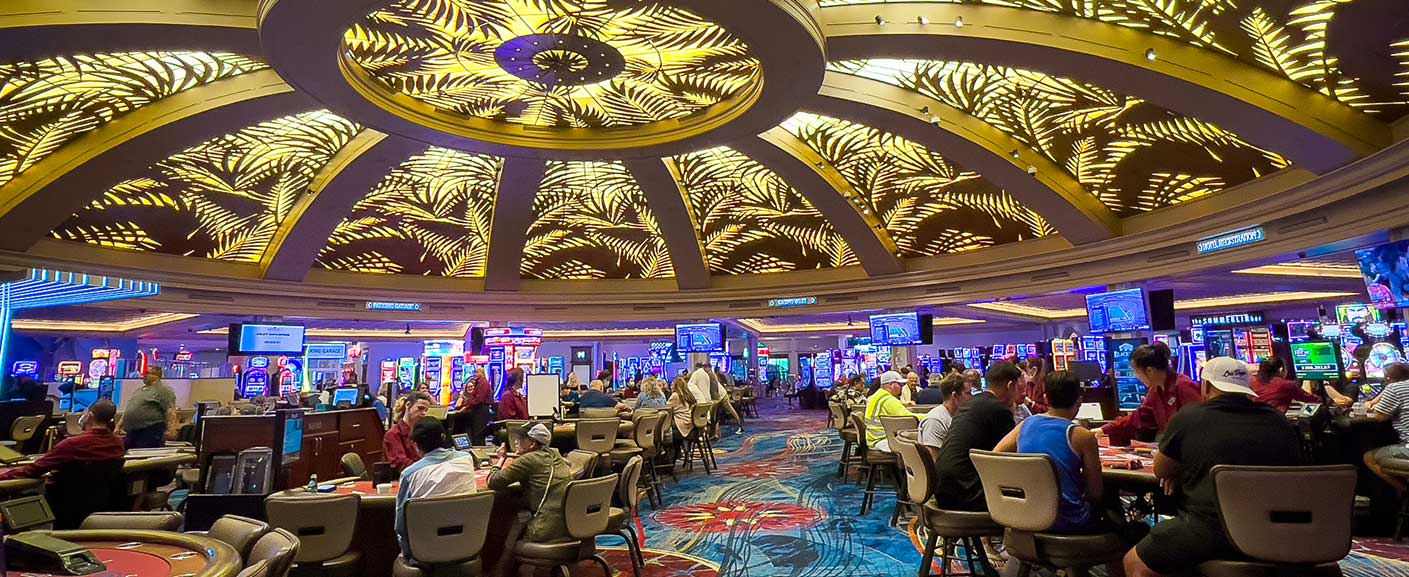
In ancient Rome, gambling became a popular pastime, with citizens engaging in betting on gladiatorial contests and chariot races. The Romans formalized various gambling games, leading to a rich tapestry of betting activities. This period highlighted the social aspect of gambling, where gatherings often revolved around these events, further embedding gambling into the fabric of society. As these practices spread, they evolved, influencing future generations and cultures, paving the way for modern casinos.
The Middle Ages saw a shift in gambling practices, where games of chance became more organized. With the establishment of regulated gambling in Europe, various games began to emerge, such as dice games and early card games. This era marked a turning point where gambling transitioned from informal gatherings to more structured environments, ultimately leading to the creation of gambling houses. These establishments began to resemble the modern-day casinos, indicating a significant evolution in gambling culture.
The Birth of Modern Casinos
The 17th century marked a pivotal moment in the history of gambling with the establishment of the first official casino, the Ridotto, in Venice, Italy. This venue provided a controlled environment for gambling, showcasing a variety of games while adhering to specific regulations. The popularity of the Ridotto influenced other European cities, leading to the creation of additional casinos. These early establishments significantly transformed the gambling landscape, promoting a more sophisticated approach to the gaming experience.
As the 18th century approached, casinos began to gain prominence across Europe. The concept of the casino expanded beyond simple gambling houses to include entertainment, dining, and socializing. The Casino de Spa in Belgium and the Monte Carlo Casino in Monaco became symbols of luxury and allure, attracting high society and wealthy individuals. This combination of leisure and gambling cemented the casino’s role as a central social hub, blending entertainment with the thrill of chance.
The late 19th and early 20th centuries saw further evolution with the introduction of new games, including baccarat and roulette, capturing the imaginations of players worldwide. Innovations in casino design focused on creating immersive environments that combined aesthetics with functionality. The era also witnessed the emergence of Las Vegas as the gambling capital, characterized by extravagant casinos, elaborate shows, and a unique blend of entertainment that would redefine the gambling experience in the modern world.
The Rise of Online Gambling
The introduction of the internet in the late 20th century revolutionized the gambling industry, giving rise to online casinos. In 1994, the first licensed online casino launched, enabling players to enjoy their favorite games from the comfort of their homes. This seismic shift allowed for unprecedented access to gambling, attracting a wider audience and changing the dynamics of the gaming industry. Players could now engage in various games, including slots and poker, at any time, breaking geographical barriers.
Online gambling platforms became increasingly sophisticated, integrating advanced technology to enhance the user experience. Features such as live dealer games and interactive slots brought the thrill of traditional casinos to the online realm. With the introduction of mobile gambling in the 2000s, players could engage in gaming on the go, further expanding the reach of the industry. This evolution opened new avenues for innovative gameplay and attracted a younger demographic eager for modern entertainment options.
However, the rise of online gambling also prompted discussions about regulation and responsible gaming. Governments worldwide began to implement measures to ensure player protection and fair play. The establishment of licensing bodies and regular audits became crucial in fostering trust among players. As online gambling continues to grow, the emphasis on transparency and safety remains pivotal, ensuring that the digital gaming landscape is not only entertaining but also secure.
The Impact of Technology on Gambling
Technology has played a significant role in shaping the evolution of gambling, driving innovations that enhance player experiences. Virtual reality (VR) and augmented reality (AR) have emerged as transformative technologies, offering immersive gaming environments that replicate the excitement of physical casinos. Players can now enter fully realized 3D worlds, interacting with other players and dealers in real-time, elevating the overall gaming experience to unprecedented levels.
Blockchain technology has also made waves in the gambling industry, introducing cryptocurrency as a viable payment method. The use of blockchain ensures transparency and security in transactions, fostering trust among players. This shift towards decentralized gambling platforms allows for greater anonymity and faster payouts, appealing to tech-savvy users who prioritize privacy and efficiency in their gaming experiences.
Moreover, data analytics and artificial intelligence (AI) are transforming how casinos operate and engage with players. By analyzing player behavior, casinos can tailor experiences, offering personalized game recommendations and promotions. This level of customization enhances player satisfaction and retention, enabling casinos to create more engaging environments. As technology continues to advance, its influence on gambling is set to grow, promising even more innovation in the future.

Paradise 8 Casino: A New Era of Online Gaming
Paradise 8 Casino stands at the forefront of the online gambling revolution, offering a secure and engaging gaming experience. With a focus on fairness and transparency, it provides players with access to a wide range of verified games, including popular slots and live tables. This commitment to integrity is underpinned by trusted licensing and regular audits, ensuring a safe environment for players to indulge in their favorite activities.
The platform emphasizes player protection through robust data security measures and responsible gaming tools. Players can enjoy their gaming sessions with peace of mind, knowing that their information is safeguarded. Additionally, the casino’s generous welcome bonuses and commitment to timely payouts contribute to an enjoyable and trustworthy experience for every player, reflecting the best practices of modern online gambling.
As the evolution of gambling continues, Paradise 8 Casino remains dedicated to enhancing the gaming experience. By embracing the latest technologies and adhering to the highest standards of customer service, it exemplifies the future of online casinos. The blend of entertainment, security, and innovation positions Paradise 8 Casino as a leading choice for players looking to explore the exciting world of online gambling.